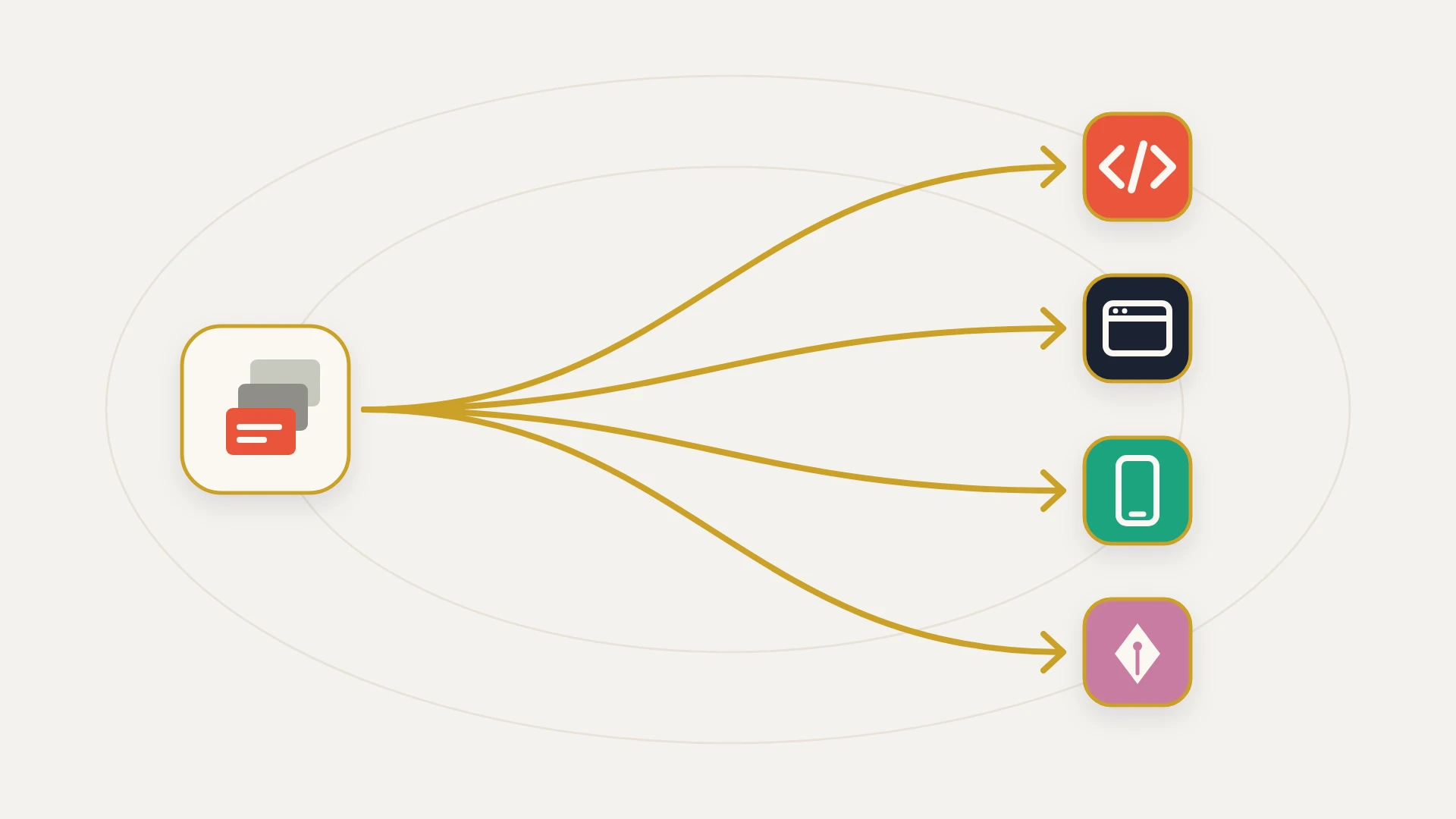
The brief is written, the shortlist has four very different kinds of supplier on it, and there is no obvious basis for comparing them. An agency with a team page of thirty people. A freelancer who can start on Monday for a fifth of the price. A recruiter suggesting this is really a hire. And a small firm that does nothing but integrations and quotes a fixed number for a scope you have not written yet.
Most advice at this point sorts these by company size, which is close to useless. A forty person company and a four hundred person company can correctly make opposite choices here, and both can correctly change their mind next year. The variable that actually decides it is not on the brief at all.
It is how long the thing has to keep running after everyone has gone home. That single question sorts the four options cleanly, because it is the question their commercial models answer differently. This guide covers what each option is genuinely best at, the failure mode each one carries, the questions that separate a firm with an integration practice from one that will quietly subcontract yours, and where each of the four is the wrong call. If you have not yet decided whether your problem needs code at all, the guide to hiring a HubSpot consultant covers the configuration side first.
In this article
1.
2.
3.
4.
5.
6.
7.
8.
9.
The Question That Actually Sorts Them
Almost every HubSpot service is inert once delivered. A rebuilt pipeline stays rebuilt. A reporting overhaul does not degrade on its own. A landing page looks the same in March as it did in January, absent somebody changing it.
An integration is not like that, and this is the whole basis of the decision. It sits between two systems that are being changed continuously by people who do not know it exists. It runs on platforms that deprecate endpoints on their own schedule. It authenticates with credentials that expire. Somebody in ops renames a property on a Tuesday and a mapping that worked for a year stops working, silently, because nothing about a sync failing is loud.
A dashboard breaks loudly and a sync breaks quietly. You are not buying a build. You are buying somebody's continued attention, and the four options price that very differently.
So before comparing suppliers, answer one question in writing: how long does this integration have to keep working? If the honest answer is measured in weeks, a freelancer is not a compromise, it is the correct and cheapest answer. If the honest answer is years, then any arrangement that ends at delivery has priced the smaller half of what you need, and the price advantage is an illusion you will pay for in month eighteen.
The Four Options
Each of these is genuinely right for some purchase. The mistake is rarely picking a bad supplier. It is picking one whose shape does not match the survival horizon you just wrote down.
You get a bench across strategy, content, design and technical delivery, with continuity behind it and somebody coordinating the whole thing. When you are also rebuilding the portal, migrating content and retraining the team, that coordination is real work and worth the premium. Two things to check before signing. Whether the engineering is done in-house or subcontracted, because a large share of HubSpot agencies grew out of inbound marketing and added technical delivery later. And where your integration sits in their queue, because a single connection inside a large engagement waits behind the workstreams that are billing more hours.
The fastest and cheapest route to a scoped piece of work, and the right answer far more often than agencies like to admit. A coded workflow action, a module, a one-time migration, a connector configured properly. The risk is not quality, which is frequently excellent. It is continuity. An integration running unattended for two years outlives most freelance relationships, and the common ending is not a dispute but a silence: they moved on, the token expired, and the code is hosted somewhere nobody on your side can see. Our guide to hiring a HubSpot developer covers how to vet one when you are not technical.
Narrower than an agency and larger than one person, usually quoting a fixed scope rather than a rate card. The structural advantage is not talent, it is that the commercial model matches the work: a fixed scope forces the field map to exist before money moves, and a maintenance retainer means year two has a written answer rather than a hope. The trade is real and worth saying plainly. A specialist cannot help you with the campaign, the website or the portal rebuild, and if those are also on your list you are about to manage two suppliers.
Correct when there is a pipeline of connections rather than one build, because that is the only case where the fixed cost amortises. Be honest about the runway: months to hire before the first line of code, then the HubSpot work competes with everything else on the roadmap forever. And note that in-house carries the same continuity risk as a freelancer, concentrated in one person and slower to replace. The knowledge leaves when they do unless somebody insisted it was written down.
The Agency Question Nobody Asks Early Enough
This one deserves its own section because it is the single most common source of disappointment, and it is entirely avoidable with one question on the first call.
The HubSpot partner ecosystem grew out of inbound marketing. That history is visible in the directory: a large share of Solutions Partners are marketing and content firms that added technical delivery later, and a meaningful number deliver it through subcontractors. None of that is dishonest, and subcontracted work is frequently good. But it changes what you are buying in three ways that matter. The people who scoped your integration are not the people building it. The engineer has no direct relationship with you and no context beyond a ticket. And when something breaks in month eight, the chain you have to reach through is longer than it looked when you signed.
It is worth knowing that HubSpot itself publishes a signal here, and that most buyers read the wrong one. Tier, meaning Gold, Platinum, Diamond and Elite, is calculated largely on sold and managed HubSpot revenue plus retention, so it measures how much HubSpot a firm sells rather than how well it builds. The Custom Integration Accreditation is the credential that actually maps to this work, granted at firm level after HubSpot reviews documentation from real customer projects. Read it asymmetrically: its presence is a strong positive signal, and because accreditations are gated to Platinum tier and above, its absence tells you nothing at all about a smaller firm. Our guide to the top HubSpot partners covers how the two systems differ in detail.
What Each One Actually Costs
The rates are less informative than the models, because the models decide who carries the risk of a bad estimate.
Hourly billing leaves the estimation risk with you, which is the wrong way round, because the person qualified to estimate the work is the person doing it. A fixed fee for a written scope moves that risk to them, which is why a supplier who offers one has usually done this before and knows what the work contains. A retainer against a rate card sits in between and drifts badly whenever the deliverables are not written down.
Whichever you compare, add year two to every number before deciding. A quote that covers only the build has priced the smaller half of the commitment, and comparing two quotes where one includes maintenance and the other does not is not a comparison at all.
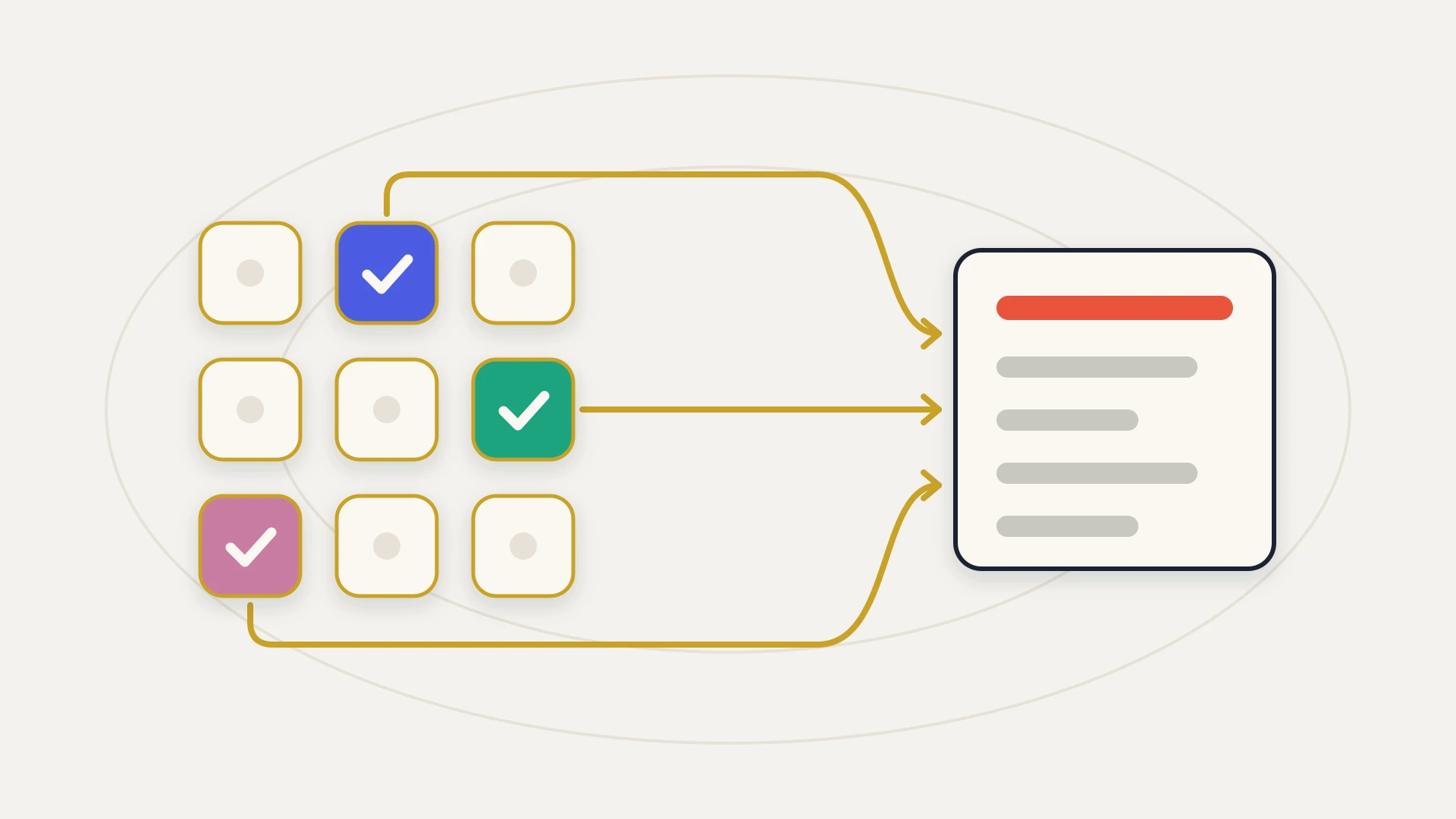
Three Questions That Sort Any Shortlist
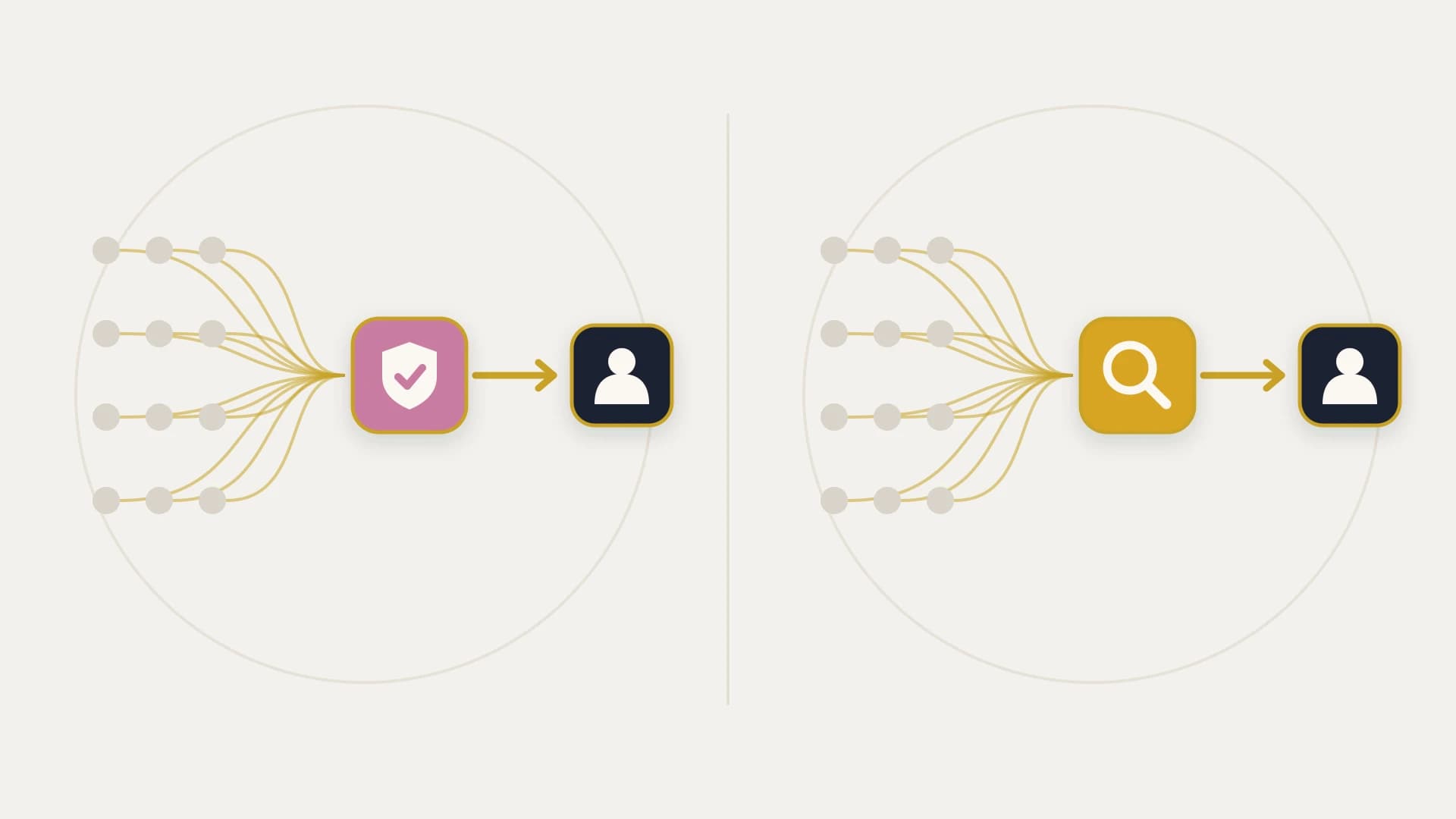
These work on all four options, and they are scored on the shape of the answer rather than its content, so you can run them without being technical.
Ask all four candidates the same three
Who notices first when this breaks, and how? The answer you want has monitoring in it and can tell you what gets checked. The answer that tells you something is "raise a ticket if you spot a problem", which puts the detection job on the person least equipped to do it. A sync that has been dropping records for six weeks has done more damage than one that was never built, because everyone downstream has been deciding on numbers they believed were complete.
Which system owns each disputed field? The correct answer pushes the question back to you, because it is a business decision rather than a technical one. A supplier who answers it themselves is guessing on your behalf, and every long-running data argument traces back to two integrations that were both allowed to write the same field. Our data mapping guide covers why that table is the whole fix.
Show me an integration you built that is still running, and tell me how you know. The second half is the real question. Most suppliers can name something they shipped. Far fewer can tell you its current state, and the ones who can are describing monitoring they actually run.
Get the Ownership Clause Before You Choose, Not After
This applies to three of the four options and it is the cheapest insurance available on the whole purchase. Three things need naming in writing before any work starts.
- 1
1. The repository is yours from day one
Not a copy handed over at the end. Under your organisation, with their access granted rather than the reverse. The distinction matters most in exactly the situation where you cannot reach them to arrange a handover, which is the situation the clause exists for.
- 2
2. The credentials sit in accounts registered to your company
The private app tokens and the OAuth client belong in your accounts, not theirs. A token in a departed supplier's account is not a support problem, it is a rebuild.
- 3
3. You know where the middleware runs and who pays for it
Any integration more complex than a direct connector runs code somewhere. Know which account hosts it and whose card is attached, because a hosting bill that quietly stops being paid takes the integration with it and nobody gets an alert.
Where Each One Is the Wrong Call
Including ours, because a comparison that finds its author best at everything is not a comparison.
Not an agency when integration is the whole job
You will pay for coordination you do not need and wait behind workstreams that bill more. One connection does not need a bench of fifteen people or an account manager between you and the engineer.
Not a freelancer when it has to outlive the engagement
The economics are excellent right up until the moment you need somebody who is no longer there. Anything running unattended past a year is asking for a continuity guarantee no individual can honestly give.
Not in-house for a single connection
Months of hiring, a salary, and then permanent competition with the rest of the roadmap, in exchange for a project that finishes. This is the most expensive way to buy one integration that exists.
Not a specialist when the problem is not integration
If the job is a website theme, a portal rebuild, a content migration or a marketing programme, a firm that only builds integrations is the wrong shop and should tell you so on the first call. If it is a coded workflow action, hire a freelancer for an afternoon and keep the difference.
Not sure yet whether your problem is a build at all?
A senior developer on subscription: $2,995 a month, as many requests as you like, each shipped within 2 to 3 business days, and your money back if the first 14 days don’t prove it.
The Bottom Line
Four suppliers, four commercial models, and only one variable that reliably decides between them: how long the integration has to keep running after the project is over.
Answer that in writing before you compare anything, because it converts an unanswerable question about company size and budget into a straightforward matching exercise. Weeks, and a freelancer is correct and cheap. A wider programme with integration as one part of it, and an agency's coordination earns its premium. A continuous pipeline of connections, and the hire amortises. One connection that has to work for years, and you need an arrangement whose model includes somebody still being there.
Then run the same three questions past all of them. Who notices first when it breaks. Which system owns each disputed field. Show me one that is still running and tell me how you know. The answers sort a shortlist faster than any directory, because they measure the one thing that a tier, a certification and a team page cannot: whether this supplier has ever had to live with something they built.