Do this today: if your developer or agency has stopped delivering, ask them to transfer your code repository, hosting and accounts into your company's name now, while they are still replying. Nothing else in a rescue works until you control those. Then get a written audit before anyone quotes a fix, and fix the app in small pieces.
Software Project Rescue at a Glance
You probably need one if: deadlines keep slipping with nothing working to show, your developer or agency has gone quiet or left, every fix breaks something else, or you cannot get into your own code or hosting.
What to do this week:
- Step 1, take back control: get the code, hosting, domain, database and every service account into your company's name.
- Step 2, get a written audit of what was left, ranked by risk, before anyone quotes a fix.
- Step 3, stabilize the live app so it stops breaking.
- Step 4, decide what to fix and what to rebuild, then ship working software in small pieces.
What it costs: expect a paid audit before any honest quote. Few rescue firms publish prices; the ones that do range from a €2,500 fixed-price audit to agency takeovers of $80,000 or more a year.
Who can do it:
| Option | How you pay | Best for |
|---|---|---|
| Rescue or takeover agency | An audit, then a project or retainer | A large app that needs a team at once |
| Freelancer | By the hour | One well-defined repair |
| Development subscription | A flat monthly fee, requests worked one at a time | Rescuing in stages and then keeping the app healthy |
| Hire a developer | Salary and benefits | A product that needs a full-time engineer for years |
Stuck with a half-built app?
A senior developer on subscription: $2,995 a month, as many requests as you like, each shipped within 2 to 3 business days, and your money back if the first 14 days don’t prove it.
In this article
1.
2.
3.
4.
5.
6.
7.
8.
9.
10.
It usually starts the same way. The freelancer who built version one stops replying. The agency's estimate doubles and the launch date moves again. Or the app works, mostly, until it does not, and nobody left can explain why.
This guide is for founders and owners of small software companies, especially B2B SaaS, who are in that position now. It covers how to get control back, how a rescue works, what it costs, and how to choose who does it.
Signs Your Software Project Needs Rescue
If two or more are true, treat it as a rescue
- Deadlines keep moving and there is no working software to show for the last few weeks.
- Your developer or agency has gone quiet, left, or is asking for more money to finish what was quoted.
- Every fix breaks something else, and the same bugs keep coming back.
- You cannot get into your own code, hosting, domain or database without someone else.
- The budget is spent and the product is not finished.
- Nobody can explain, in plain language, how the app works or how to deploy it.
You are not unusual. In the Standish Group's 2020 CHAOS report on software projects, as summarized by secondary sources because the full report is paywalled, 31 percent of projects succeeded, 50 percent were challenged by being late, over budget or short of what was promised, and 19 percent failed outright. Smaller projects did much better than large ones, but a troubled project is closer to normal than most founders think.
First: Take Back Control
Before anyone fixes anything, make sure everything the app runs on belongs to your company. Rescue firms describe the same pattern again and again: clients who do not have full access to their own repository, server credentials or documentation. You cannot rescue what you cannot reach.
What to take back, in this order
- The code repository, with its full history, in an account your company owns.
- Hosting, such as Vercel, AWS or similar, with billing on your card.
- The domain and DNS, at a registrar account in your name.
- The production database, plus a backup you have downloaded yourself.
- Payments, such as Stripe, and every other service the app uses: email, file storage, analytics, error tracking.
- Passwords and API keys, rotated once you have them, so the people who left can no longer use them.
Getting the code back. On GitHub, a repository can only be transferred by its current owner, or by an admin of that repository, and the receiving account has to accept the transfer. So the developer who left has to start it. Ask early and politely, while you are still on speaking terms. If they will not transfer it, ask for a complete copy of the repository with its history, and check your contract for an assignment of intellectual property. Our guide to software development contracts covers the clauses that decide who owns the code.
How a Software Project Rescue Works
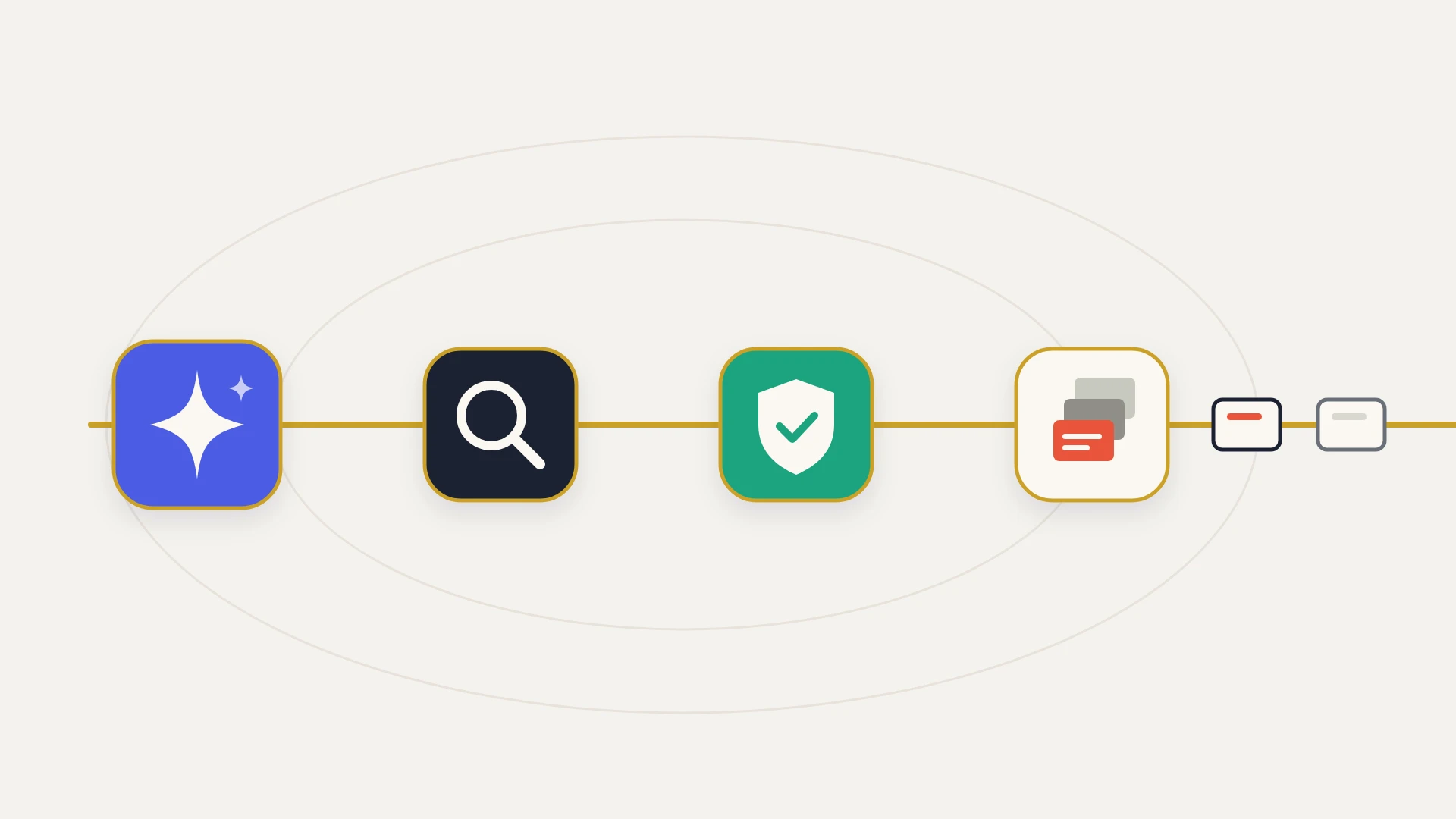
- 1
Audit
A written review of the code, dependencies, hosting, data and security, with a ranked list of what is wrong and what it would take to fix. This is what a fair quote is based on.
- 2
Stabilize
Stop the bleeding: fix whatever breaks the live app or puts customer data at risk, set up error monitoring and backups, and make deploys repeatable.
- 3
Triage
Sort the rest into fix now, fix later and rebuild. Most of a rescue is the first two.
- 4
Finish in small pieces
Ship the missing features one at a time, each one working and in front of you before the next starts. No more big reveals that slip.
- 5
Hand over cleanly
Wavect, a software firm that writes about takeovers, defines one as complete only when the new team can build, deploy, observe, roll back and restore the system without the provider who left. Hold your rescuer to the same standard.
Fix or Rebuild?
The usual answer. Faster and cheaper than a rebuild, and customers keep using the app while it improves.
Replace that piece behind the same screens and keep the rest.
Rare, and only after an audit says so. Keep the old app running until the new one covers what customers use.
A rescuer who recommends rewriting everything before reading the code is telling you about their preferences, not your app.
What a Software Project Rescue Costs
Honest answer: nobody knows until they have read the code, and few rescue firms publish prices. Oktopeak, which sells rescues, says as much, and warns you to be suspicious of any firm that quotes a rescue before reading the code.
The published figures we found span a wide range. One European firm sells a fixed-price code audit for €2,500, taking two to five days depending on the size of the project. At the other end, Saritasa, a US firm, says its takeover clients spend a minimum of $80,000 a year and that it cannot put a fixed price on a project takeover. Both sell the service, so treat their numbers as reference points, not benchmarks.
What drives the cost is the same everywhere: how much of the app is broken, how deep the technical debt goes, and whether the foundations need to change. A good audit tells you which of those you are dealing with before you commit to anything bigger.
How to Choose Who Rescues It
Questions to ask any rescue partner
- Will you read the code before quoting, and what does the audit include?
- Will you work in our accounts, our repository and our hosting, never your own?
- How often will we see working software, not status updates?
- What happens if you find more problems than you expected?
- When you are done, can someone else build, deploy and restore the app without you?
- What does it cost to keep the app healthy after the rescue?
The last question matters more than it looks. Most rescued apps need ongoing work once they are stable, and our guide to software maintenance services covers the ways to buy it.
Software Project Rescue With StackTie
We run a product development subscription, so read this with that in mind.
It suits a rescue that can happen in stages, which is most of them. Here is how it goes.
- 1
Before we start: control
We help you get the code, hosting and accounts into your name, so all our work happens in your accounts from day one.
- 2
Request one: the audit
We read the code and send back a written, ranked list of what is wrong, what to fix first, and what, if anything, to rebuild. No quote for the whole rescue before we have read it.
- 3
Then: stabilize and finish, one request at a time
Each fix and each missing feature ships as its own request, working and in front of you, in the order you set. When the app is healthy, the same subscription keeps it that way, and you can pause when it is quiet.
It is not the right fit if you need several developers working in parallel to hit a hard deadline. A rescue agency with a team is better for that. We do not build or rescue native mobile apps. The homepage has the price, the turnaround and the guarantee.
Get your app back on track
A senior developer on subscription: $2,995 a month, as many requests as you like, each shipped within 2 to 3 business days, and your money back if the first 14 days don’t prove it.
Control First, Then Code
A stalled or broken project feels like a code problem, but the first step is ownership. Get the repository, hosting, domain and accounts into your company's name, get a written audit before anyone quotes, stabilize the live app, then finish the rest in small, working pieces. And when it is done, make sure the app no longer depends on any one person, including whoever rescued it.