Toptal is one of the best-known names a founder hears when they need a good developer fast, and it has earned that. It screens its network, introduces candidates quickly and lets you try someone before you pay. But it is not the right fit for everyone, and the reasons people look for alternatives are usually one of three things: the cost, the fact that you still have to manage the developer, or the need for something other than an individual.
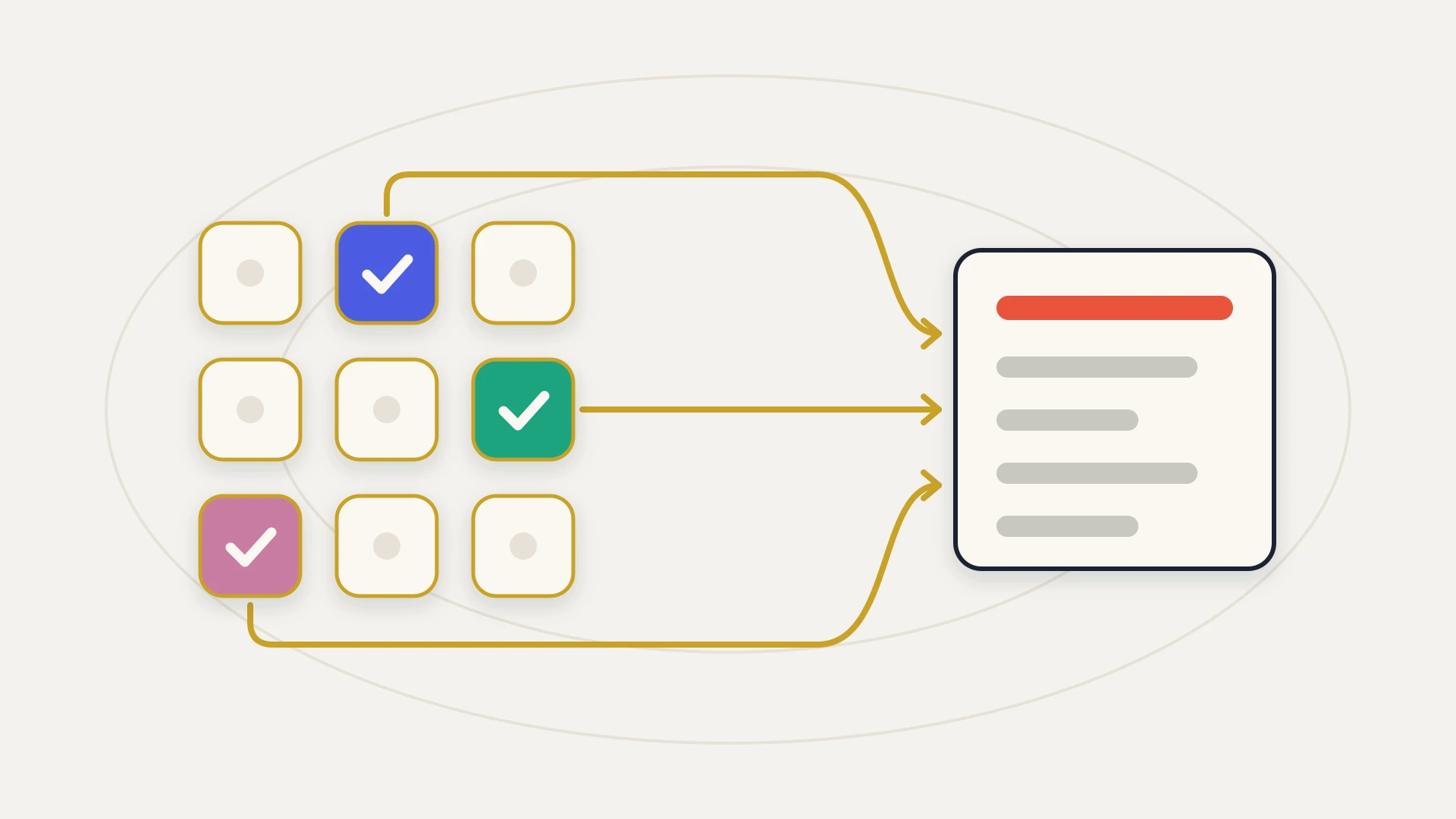
So before comparing names, decide which of those is your problem. Every alternative below changes one of three things about the Toptal model: who vets the developer, what you pay for, and who directs the work.
In this article
1.
2.
3.
4.
5.
6.
7.
8.
9.
10.
11.
12.
The Short Answer
- You want another vetted network, billed by the hour: Arc or Lemon.io.
- You want the widest choice and lower rates, and can vet people yourself: Upwork.
- You want a team someone else manages: Gigster or an agency.
- You need AI engineering specifically: Andela.
- You have steady product work and nobody to direct a developer: a development subscription.
How Toptal Works
It helps to be precise about what Toptal is, because that is what you are comparing against.
Vetting. Toptal's FAQ says that of the more than 200,000 people who apply to join its network each year, it accepts fewer than 3 percent.
Matching. It says that in almost all cases it will introduce you to candidates within 24 hours.
Engagements. Its pricing page says you can work with its talent "hourly, part-, or full- time for a fixed price on a weekly basis."
Trial. Each engagement starts with a trial period of up to two weeks, and if you are not completely satisfied, you won't be billed.
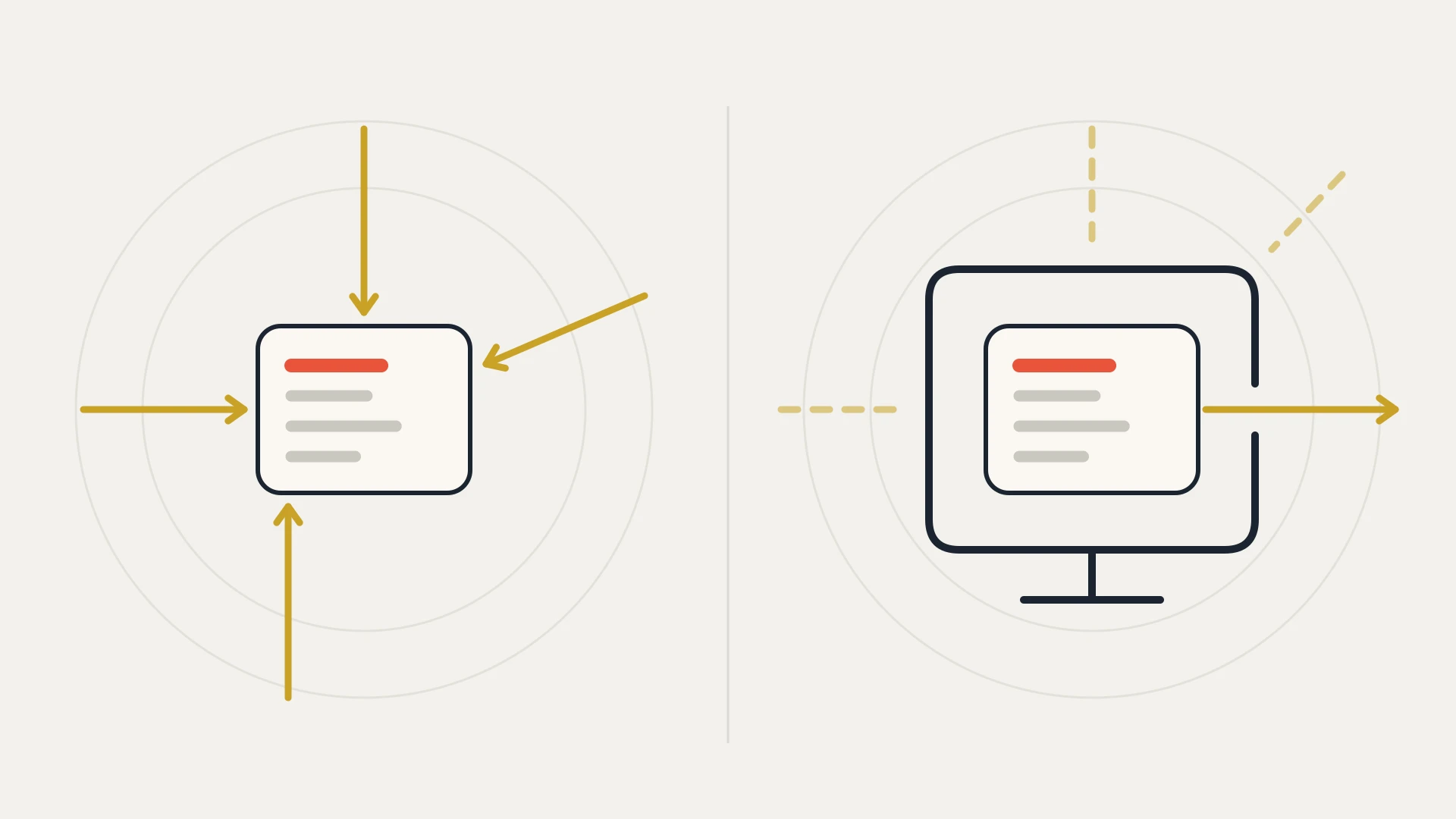
Who directs the work. You do. Toptal finds and vets the developer. Setting priorities, reviewing the work and deciding what to build next stays with your company.
That last point matters most for a SaaS company without an engineering manager, and it is the one most comparisons skip.
Toptal Fees and Rates
Toptal does not publish hourly rates on its site. The rate depends on the person and the engagement, and you see it when you are matched. What it does publish is the structure around the rate.
So the real cost of Toptal is the developer's rate for the hours or weeks you book, plus the subscription fee. Because you pay for time, the total also depends on how well the work is directed. A clear backlog and fast decisions make the same rate go much further than a vague one.
Is Toptal Legit?
Yes. Toptal is a well-established company. Its own history dates the registration of Toptal LLC to November 2010, and it says it has served more than 35,000 clients across more than 155 countries. It is a real, long-running business with a clear process.
The better question is whether it is worth it for you. If you have someone who can direct a developer and you need a strong individual quickly, it can be. If you do not, a vetted developer billed by the hour still needs the direction you do not have, and the trial period will tell you about the developer, not about that gap.
8 Toptal Alternatives
1. Arc
The closest like-for-like alternative. Arc describes its network as the top 2 percent of talent, fully vetted, and says it costs $0 until you hire. For freelance work you pay hourly, and it advertises hiring in 72 hours for freelance roles and 14 days for full-time. Like Toptal, you direct the developer once they start.
2. Lemon.io
A vetted network aimed at startups. Lemon.io says only about 1 percent of the engineers it interviews make it through vetting, with an acceptance rate of 1.2 percent, quotes a matching time of around 24 hours, and says there are no upfront fees and you only pay for the work delivered. A good fit if Toptal feels built for larger companies. You still direct the work.
3. Upwork
An open marketplace rather than a vetted network. You post the job, review proposals and do the vetting yourself, in exchange for the widest choice of developers and rates. Upwork charges clients on its Basic plan a client marketplace fee of up to 7.99 percent on payments to freelancers, reduced to 3 percent for qualifying US clients paying by bank account, plus a one-time contract initiation fee of $0.99 to $14.99. Best when you can judge candidates yourself.
4. Gun.io
A vetted network that says it produces a "high-precision shortlist" of developers matched to your stack and delivery goals. It does not publish rates or a trial on its homepage, so ask about both. You direct the developer.
5. Gigster
The alternative for when you want someone else to manage the work. Gigster offers three models: fully managed development, where it takes ownership of the development process, dedicated teams, and talent on demand that joins your existing team. Choose the fully managed model if nobody on your side can direct developers.
6. Andela
Now focused on AI. Andela describes itself as providing the human layer behind modern AI systems, from training models to deploying AI-native engineers, and says its network spans more than 135 countries. You can add individual engineers to your team or use managed teams. Worth a look if your roadmap is mostly AI features.
7. A development agency
A firm that takes a defined project and delivers it, usually for a fixed price, with its own project manager. You stop directing individual developers and start managing a scope. It works best when the scope is settled, because changes become new quotes. Our guide to outsourcing product development compares agencies with the other models.
8. A development subscription
A flat monthly fee for a queue of requests, worked through one at a time by a senior developer, with the freedom to pause or cancel. Instead of booking a developer's time and directing it, you send requests and they come back done. It suits steady product work without an engineering manager. It is not a way to staff a large team.
Toptal Alternatives Compared
| Option | Who vets | What you pay for | Who directs the work |
|---|---|---|---|
| Toptal | Toptal | Hourly, part-time or full-time, plus a $79 monthly fee | You |
| Arc | Arc | Hourly for freelance, per hire for full-time | You |
| Lemon.io | Lemon.io | The work delivered, no upfront fees | You |
| Upwork | You | The freelancer's rate plus Upwork's client fees | You |
| Gun.io | Gun.io | Not published, ask | You |
| Gigster | Gigster | Managed project, dedicated team or on-demand talent | Gigster, on the fully managed model |
| Andela | Andela | Individual engineers or managed teams | You, or Andela on managed teams |
| Agency | The agency | A fixed-scope project | The agency |
| Development subscription | The provider | A flat monthly fee | You set priorities, the developer plans the work |
For a SaaS company without an engineering manager, read the last column first. Vetting solves the problem of finding someone good. It does not solve the problem of nobody being there to direct them, and that is the more common reason an engagement disappoints.
Need the work done, not a developer to manage?
A senior developer on subscription: $849 a month, as many requests as you like, each shipped within 2 to 3 business days, and your money back if the first 7 days don’t prove it.
Toptal vs Upwork
The difference is who does the vetting. Toptal screens its network and says it accepts fewer than 3 percent of applicants, then introduces a shortlist. Upwork is an open marketplace where anyone can bid and the filtering is yours.
That shapes cost and time. Upwork gives you the widest range of rates, plus its client fees, but finding the right developer can take real effort. With Toptal, the filtering is done for you, and you pay the developer's rate plus the monthly subscription fee. Our guide to hiring a software developer covers how to interview candidates fairly if you go the marketplace route.
Toptal vs Turing
Turing used to be one of the most common Toptal comparisons, and many articles still treat it as one. Its own site has moved on. Turing's homepage now says it helps "frontier labs improve models and enterprises deploy agentic systems," and its old startup developer hiring page now leads to a page about vetted domain experts for AI labs. If you are looking for developers to build your product, compare Toptal with Arc or Lemon.io instead.
Which Alternative to Pick
Vetted developers, billed for their time, directed by you. Compare the trial and fee terms side by side before you start.
Lower rates and more options, in exchange for doing the filtering. Interview with structure and pay for a short real work sample.
You send requests and they come back done, at one flat monthly price. No developer to manage, and you can pause when the work is quiet.
Where a Development Subscription Fits, and Where It Doesn't
We run a product development subscription, so read this with that in mind.
It fits a SaaS company that has a backlog and no one to direct a developer, which is exactly the gap Toptal and the other networks leave open. You send requests, a senior developer works through them one at a time, and the price stays flat. The code goes into your repository from the first commit.
It is not a staffing service. If you need several developers at once, or one developer embedded full-time in your team under your own engineering lead, a network like Toptal or Arc is the better tool. We do not build native mobile apps.
The Bottom Line
Toptal is a solid, long-running way to find a vetted developer quickly. The alternatives are worth considering when one of its three parts does not fit you: someone else's vetting, paying for time, or directing the developer yourself.
If cost or network is the issue, Arc, Lemon.io or Upwork change the vetting and the price. If the real issue is that nobody on your side can direct a developer, change the third part instead, with a managed team or a development subscription.