You need a developer, but not necessarily an employee. That gap is what developer as a service is sold into.
Developer as a Service in 5 Points
- It is development bought as a monthly service, not a hire and not a fixed-price project.
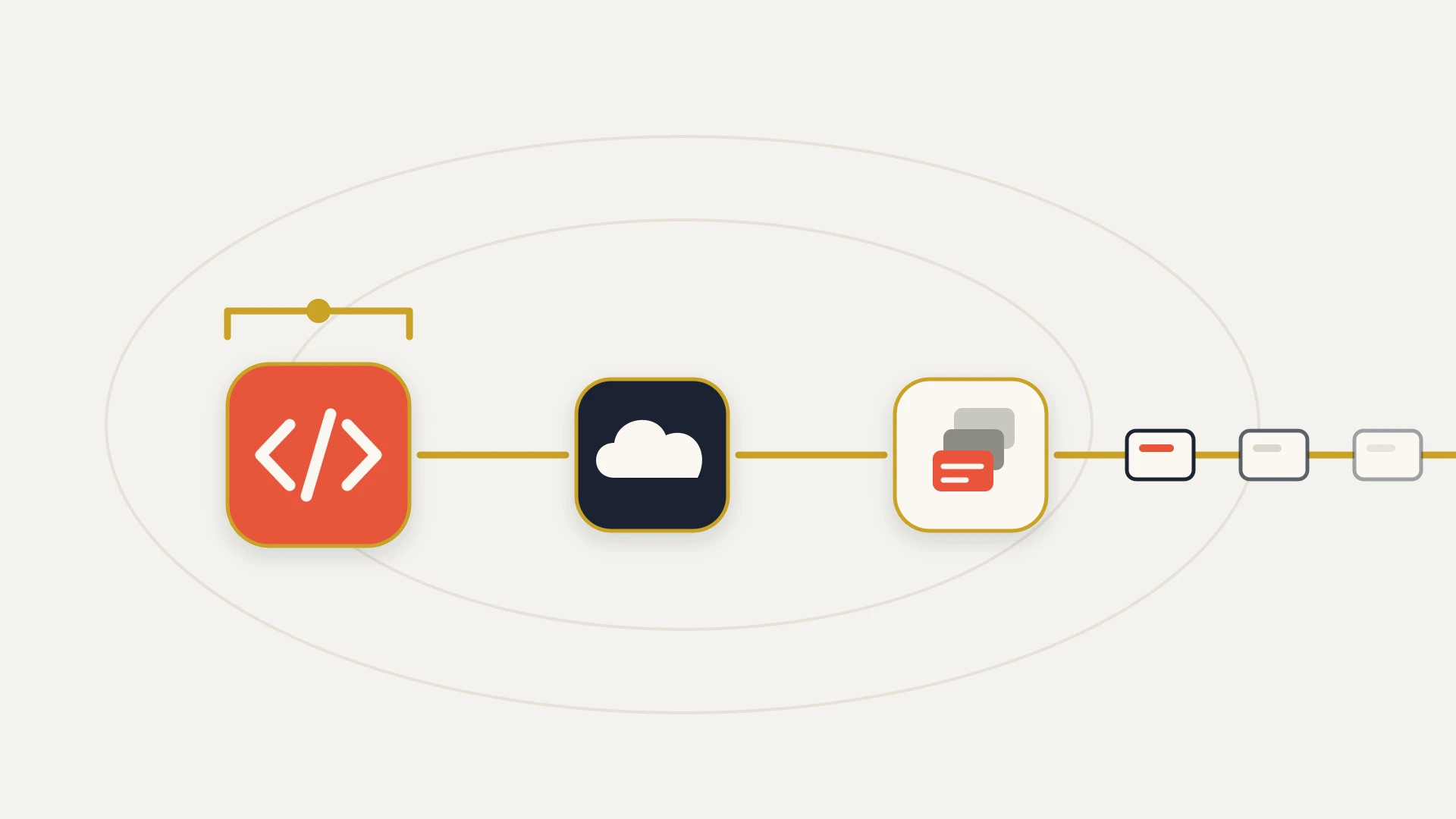
- There are three shapes: a retainer for a set number of hours, a dedicated developer or team, or a subscription for unlimited requests worked one at a time.
- Most providers do not publish prices. Those that do start in the low thousands of dollars a month.
- It fits a steady stream of work without a full-time job's worth of it, or without anyone to manage a hire.
- Own the code from day one, whichever provider and model you choose.
In this article
1.
2.
3.
4.
5.
6.
7.
8.
9.
The phrase covers several different offers, which makes them hard to compare. One provider sells you 30 hours a month. Another assigns a full-time team. A third takes as many requests as you can send and works through them in order. All three call it developer as a service, and the right one depends on how your work arrives and who on your side can direct it.
This guide is for founders and owners of small software companies, especially B2B SaaS, who have more product work than they can do themselves and are deciding how to get it built.
What Is Developer as a Service?
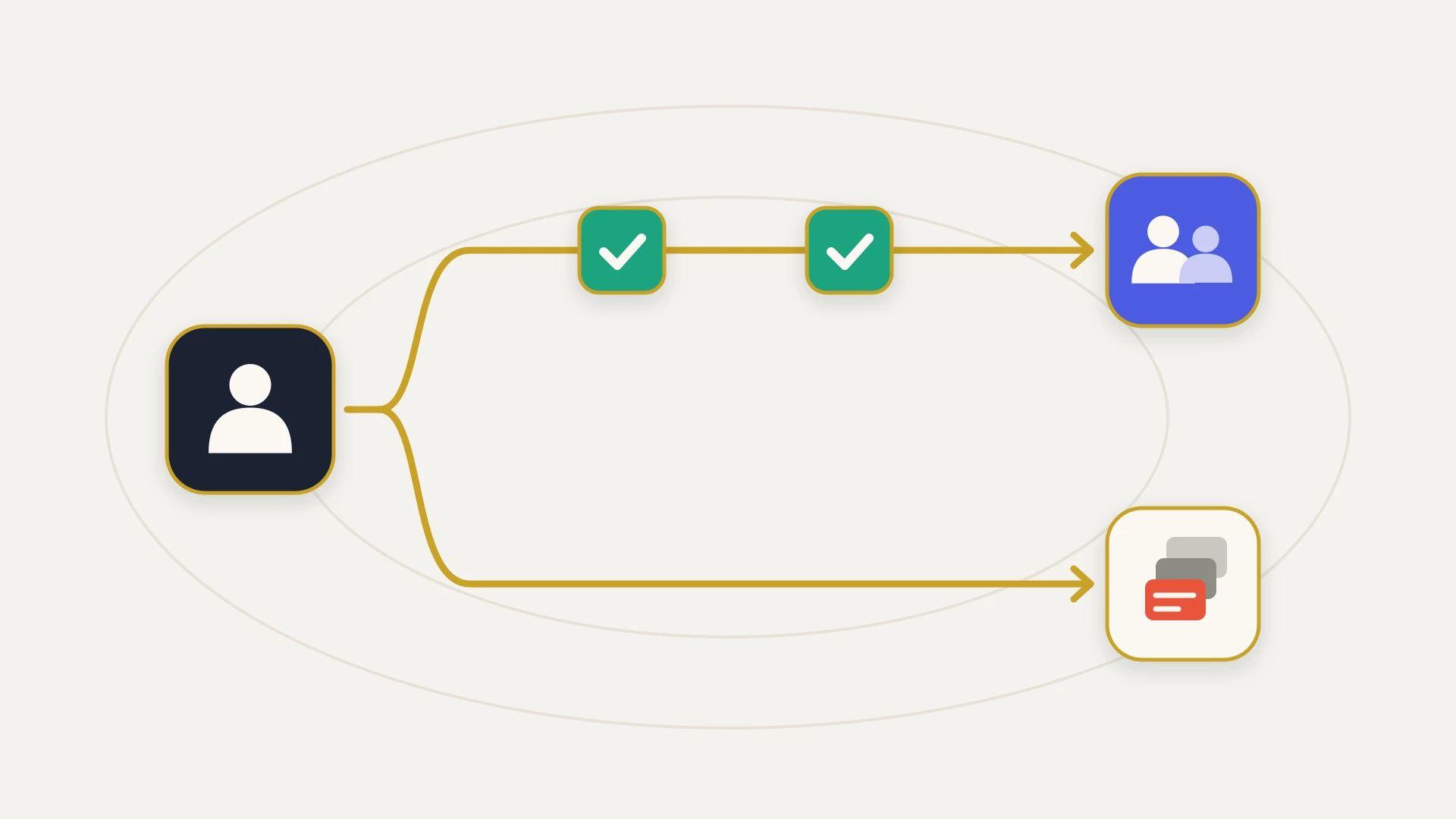
Developer as a service is ongoing software development bought for a recurring fee. The provider finds, vets and replaces the developer. You send the work and pay monthly, and you can usually change the level or stop without the notice periods and severance that come with an employee.
You will also see it called development as a service, software development as a service, a development subscription or a development retainer. The labels overlap. What separates offers is what the monthly fee buys.
Two things it is not. It is not software as a service, where you rent a finished product. And it is not the other DaaS: desktop as a service, device as a service and data as a service are IT products that happen to share the abbreviation.
The Three Ways Developer as a Service Is Sold
1. An hours retainer
You buy a block of developer time each month. EUX, an Australian agency, describes its developer as a service package as 30 hours of dedicated development a month plus 5 hours of project management, which you can scale up or down with a minimum of 30 hours. Unlimited Flow Development, a Webflow agency, lists about 50 hours a month for $2,995 on its Lite plan and about 85 hours for $4,750 on Ultra.
Hours are easy to understand and easy to budget. The catch is that you pay for time rather than results, so an estimate that runs over eats next month's hours, and you need to watch the clock as closely as the work.
2. A dedicated developer or team
The provider assigns one or more developers to your product, often full time. 4Sight's development as a service, listed on the Microsoft Azure Marketplace, describes a fully managed team assigned to the client's project, working in two-week sprints at a fixed monthly rate. Awesomic, which sells design and development subscriptions, lists one-to-one dedicated talent from around $5,000 a month.
This is the closest to having your own engineer, without the recruiting. It also needs the most from you: a dedicated developer works best with someone setting priorities and reviewing their work every week.
3. Unlimited requests, worked one at a time
You pay a flat monthly price and send as many requests as you like. They go into a queue and the provider works through them in order, usually one at a time. Awesomic, for example, lists its All-in-One plan at $2,995 a month in its guide to development subscriptions. This is the model design subscriptions made popular, applied to code.
It suits work that arrives as a stream of features, fixes and changes rather than one big project. Unlimited means unlimited requests, not unlimited parallel work, so a long queue moves at the speed of one request at a time.
| Hours retainer | Dedicated developer | Unlimited requests | |
|---|---|---|---|
| What you buy | A block of hours a month | A developer or team assigned to you | A queue worked one request at a time |
| Published prices seen | $2,995 for about 50 hours | From around $5,000 a month | From $2,995 a month |
| Who directs the work | You, by priority | You, closely | You, by ordering the queue |
| Unused capacity | Depends on the contract | Paid either way | Pause when it's quiet, if the provider allows |
| Best for | Predictable, measurable work | A product that needs a full-time engineer | A steady stream of features and fixes |
Prices are as listed on each provider's own pages or listings in October 2026, and they change. Ask for a written quote before you compare.
What It Costs Compared With Hiring
The number to compare against is the full cost of an employee, not the salary.
Apply that benefits share to the median wage and a developer costs roughly $194,000 a year, or about $16,000 a month, before recruiting. That is our estimate, not a published figure, and location and seniority move it a long way. Our guide to hiring a software developer breaks it down.
Against that, the published developer as a service prices above run from about $3,000 to $5,000 a month. The comparison is not like for like. An employee gives you a full working week and builds deep knowledge of your product over years, and a service gives you less of both. But if you do not have a full-time job's worth of work, you would be paying an employee for time you cannot use.
Developer as a Service vs Hiring, Freelancers and Agencies
The most committed option and, over time, the cheapest per hour of real work. It is also the slowest to start and the hardest to undo.
Pay by milestone for a feature, an integration or a migration. You manage them, and they move on when it is done.
Fixed scope, a team in parallel and a project manager. Expensive for the small changes that come after launch.
A monthly fee for ongoing work that you can scale or pause, with the provider carrying recruiting and replacement.
Our guide to outsourcing product development compares all six ways to get a product built in more depth.
Want developer as a service without counting hours?
A senior developer on subscription: $849 a month, as many requests as you like, each shipped within 2 to 3 business days, and your money back if the first 7 days don’t prove it.
What to Check Before You Sign
The label tells you little. The contract and the first month tell you everything.
Questions to ask any developer as a service provider
- Does the code live in a repository in my account from the first commit, and does the contract assign the intellectual property to my company?
- What exactly is the unit of work: an hour, a sprint, a request? Who decides when a request is too big and gets split?
- How fast does work come back, and is that a promise or a target?
- What happens to hours or days I don't use? Can I pause, and what does pausing cost?
- Who is the developer, how senior are they, and what happens if they leave?
- What access do they need to production systems and customer data, and how is it removed when we stop?
- How do I cancel, and what notice or minimum term applies?
Ownership is the one to get right first. Paying for code does not automatically make it yours, and our guide to software development contracts covers the clauses that fix that.
Developer as a Service From StackTie
We run a product development subscription, so read this with that in mind.
It is the third shape above. You send requests, a senior developer works through them one at a time, and the price stays flat whether you send five requests this month or fifty. You can pause when things are quiet, and the code goes into your repository from the first commit. The homepage has the price, the turnaround and the guarantee.
It is not a dedicated team. If you need several developers at once, or one engineer embedded full time under your own technical lead, an agency or a dedicated-developer provider fits better. We do not build native mobile apps.
Pick the Shape Before the Provider
Developer as a service is a sound way to get software built when a hire is too big a step and a project is too small a frame. Decide first how your work arrives and who will direct it. Hours suit work you can measure, a dedicated developer suits a product that needs one every day, and unlimited requests suit a steady stream of changes. Then pick the provider, and make sure the code is yours from the start.