The short answer: hire a freelancer for one well-defined job when someone on your side can review the code. Hire an agency when the scope is settled and you need several people at once to hit a date.
What it costs: Upwork puts the typical rate for software developers at $10 to $100 an hour. Most firms listed on Clutch charge $24 to $49 an hour, and US agencies charge well above that. A freelancer is cheaper per hour; an agency's rate includes the managing and testing you would otherwise do yourself.
The catch with both: a freelancer is one person who can leave, and an agency turns every change after launch into a new quote. If your product will keep changing, look at the third option below.
Agency vs Freelancer at a Glance
| What matters | Freelancer | Agency |
|---|---|---|
| Who does the work | One person, the one you hired | A team, often assigned after you sign |
| Typical rate | Lower per hour | Higher per hour, with management and testing included |
| Time to start | Days, if they are free | Usually weeks, after a proposal and contract |
| Who manages it | You | Their project manager |
| Who checks the code | You, or nobody | Their own reviewers and testers |
| If someone leaves | The work stops | Someone else is assigned |
| Changes after launch | A new job or more hours | Usually a new contract |
| Best for | One clear job, with a reviewer on your side | A settled scope, several skills, a fixed date |
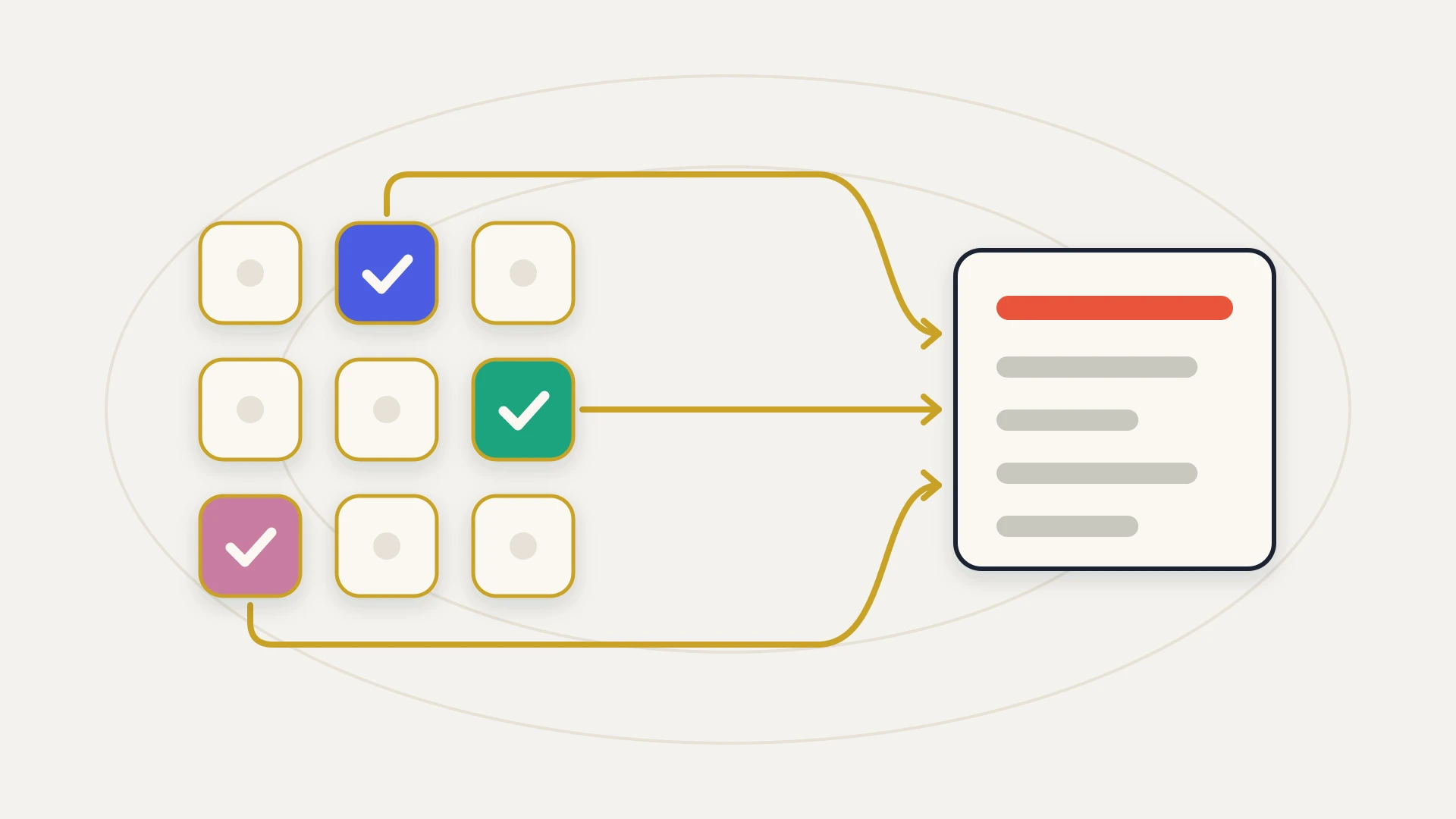
Three questions decide it:
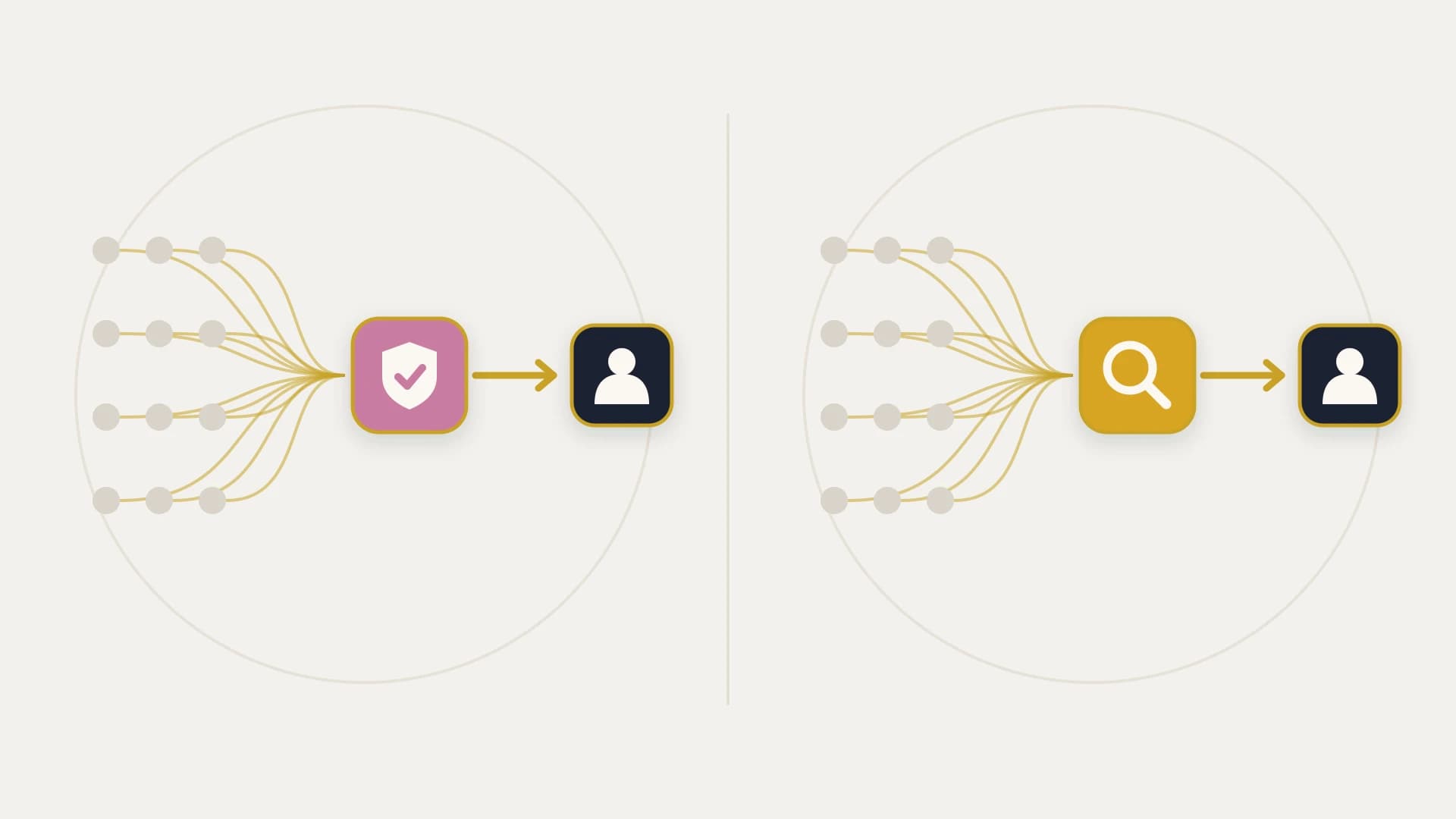
- Question 1, "Can anyone on my side review code?" If not, a lone freelancer's work goes unchecked. An agency, or anyone with their own review process, is safer.
- Question 2, "Is the scope settled, or will it change after launch?" A settled scope suits an agency's fixed quote. A product that keeps changing makes every new quote a delay.
- Question 3, "Do I need several skills at once?" Design, building and testing in parallel is what an agency is for. One thing at a time is what a freelancer is for.
Want neither an agency quote nor a freelancer to manage?
A senior developer on subscription: $2,995 a month, as many requests as you like, each shipped within 2 business days, and your money back if the first 14 days don’t prove it.
In this article
1.
2.
3.
4.
5.
6.
7.
8.
9.
This guide compares two ways to get software built. For the wider choice of company, see how to choose a software development company. For hiring one person well, see how to hire a software developer.
What You Get When You Hire a Freelancer
A freelancer is one developer you hire directly or through a marketplace such as Upwork or Toptal, paid by the hour or by the job.
The person you talk to writes the code
No account manager in between. You judge the builder directly, and they can usually start within days if they are free.
You are the project manager
You write the tasks, set the priorities, answer the questions and decide when something is done. If you are not technical, judging whether the work is good is the hard part.
One person is one point of failure
Illness, a better-paid job or a full-time offer, and the work stops. Nobody else knows the code unless it is written down and in your accounts.
Skills are narrow by design
A strong back-end developer may not design screens, and a designer may not write the server code. For a whole product you may end up hiring and coordinating several freelancers.
A freelancer is a contractor, not an employee. The IRS says the general rule is that someone is an independent contractor when you control only the result of the work, not what will be done and how. If you set their hours and direct how they work like staff, that line starts to blur.
Our comparison of Toptal and Upwork covers the two biggest marketplaces, and Toptal alternatives covers the rest.
What You Get When You Hire an Agency
A software development agency is a company with its own team. It quotes your project, assigns people to it and delivers it.
Several skills at once
Design, front end, back end and testing can run in parallel, which is how agencies hit dates a single person cannot.
Someone else manages the work
A project manager runs the schedule and reports to you. You spend less time directing, and more time in status meetings.
Cover when someone leaves
If a developer moves on, the agency assigns another. The catch: the person who sold you the project is rarely the person who builds it.
Change costs a contract
Agencies price a defined scope. A change halfway through becomes a change request, and the work after launch is usually a new contract. That is fine for a finished project and slow for a product that keeps changing.
Agency vs Freelancer Cost
Clutch's range covers firms worldwide, many of them offshore. One 2026 pricing guide puts senior North American developers at $125 to $250 or more an hour, and Clutch says the average project reviewed on its site runs about $132,000 over about 13 months.
The hourly rate is the wrong number to compare. Line up these instead:
- What the rate includes. An agency's rate pays for project management, design and testing. With a freelancer you do those yourself or hire them separately.
- Platform fees. Marketplaces such as Upwork add their own fee on top of what you pay the freelancer.
- The cost of a change. Ask each one what a change halfway through costs, and what a month of work after launch costs. That is where most of the money in a product goes.
- Your own time. Managing a freelancer well takes hours every week. If you are the founder, those hours come out of selling.
For what a whole product costs to build and run, see SaaS development cost.
Agency vs Freelancer for an MVP
An MVP (minimum viable product) is the smallest version of your product that shows whether people want it.
A freelancer fits a small, clear first version, such as one workflow with sign-up and payments, when someone on your side can review the code. It is the cheapest way to get it built.
An agency fits an MVP that needs design, building and launch done together by a fixed date, for example before a fundraise or a pilot with a customer.
Either way, the first version is only the start. An MVP that teaches you something needs changing, quickly. Ask what version two costs and how soon it can start before you pick either. Our guide to MVP development services covers the questions to ask, and MVP development covers what to build first.
Checks Before You Hire Either
Agree these before any work starts
- The code lives in a repository your company owns, from the first commit.
- Hosting, domain and app accounts are in your company's name.
- The contract assigns the code to your company in writing.
- You have talked to the person who will actually write the code.
- You know what a change costs and what the work after launch costs.
- You know what happens if the developer leaves partway through.
- You will see working software every week or two, not just status reports.
- The first piece of work is small and paid, before you commit to the whole build.
The Third Option: A Development Subscription
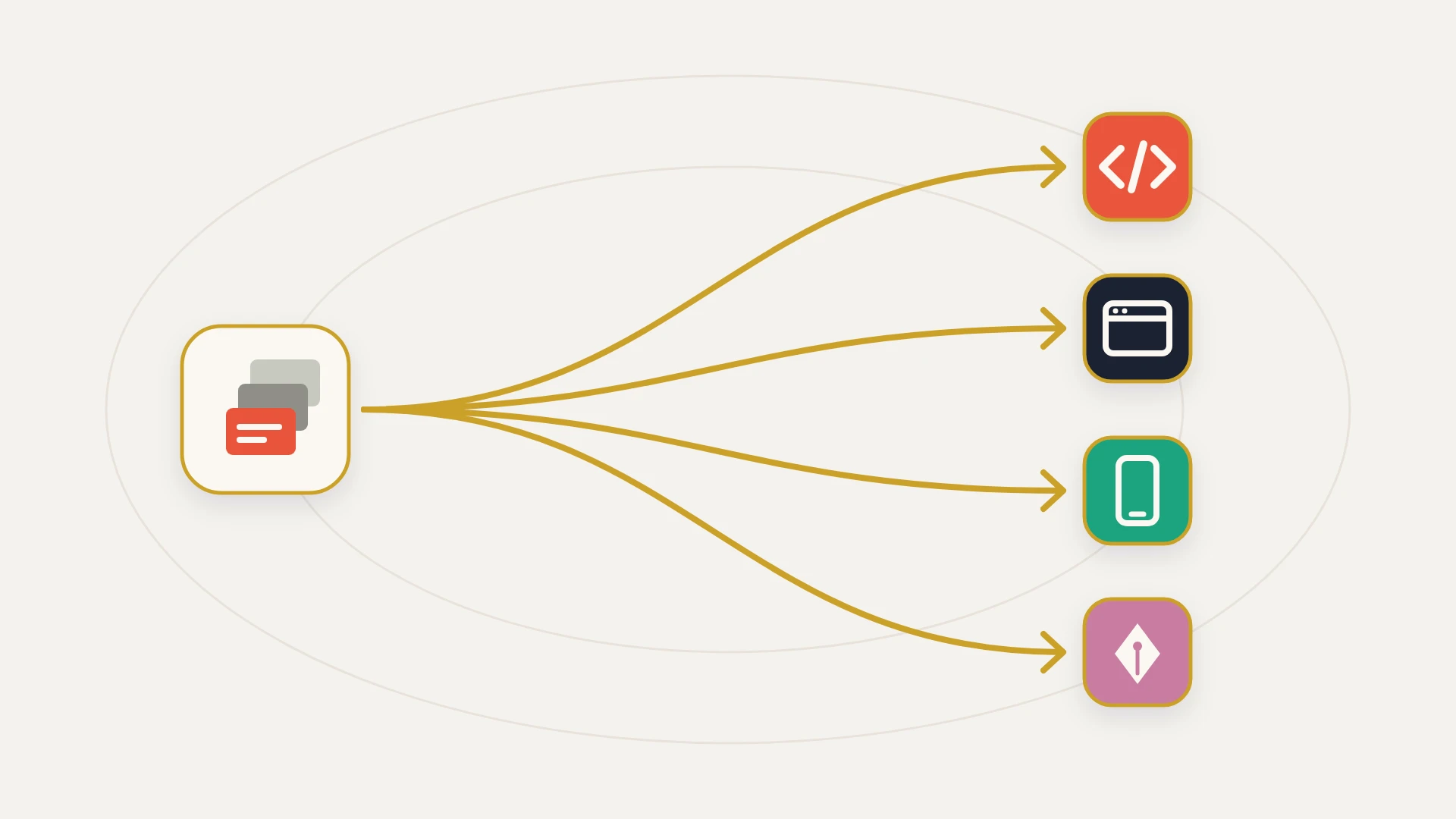
Many founders compare an agency and a freelancer when what they need is neither a one-off project nor one more person to manage. A development subscription is a flat monthly fee for a queue of requests, worked one at a time.
- Like a freelancer, you deal directly with the developer, and it can start within days.
- Like an agency, the work runs through a process: requests go into a tracked queue and come back in a set rhythm, so you are not managing a person.
- Unlike both, a change after launch is just the next request, not a new quote or more hours to approve. Big pieces of work are split into smaller requests that ship one after another.
It is not the right fit if you need a whole team working in parallel. Our guide to developer as a service explains how these subscriptions are sold and what they cost.
Which Should You Choose?
The cheapest way to get a single piece built. You do the vetting, the managing and the testing.
Predictable for a defined project. Agree the price of changes and of the work after launch before you sign.
The most control, and the slowest and most expensive to start. See how to hire a software developer.
A flat monthly fee, requests worked one at a time, and every change is another request rather than another contract.
How StackTie Fits
StackTie is a development subscription, not an agency or a freelance marketplace. One senior developer, Michael, leads every build, so the person you talk to is the person responsible for the code, with no hand-offs. You send requests, they are worked one at a time, and each one comes back in days as a pull request with a plain-English summary of what changed. Everything we build belongs to your company and lives in your own accounts. Big projects are welcome: they are split into smaller requests that ship one after another. There is a money-back guarantee if it is not a fit. It is not the right choice if you need native iOS or Android apps or a whole team working in parallel. The price and what is included are on the homepage.